
SAP Training in Trivandrum: What Students Should Know
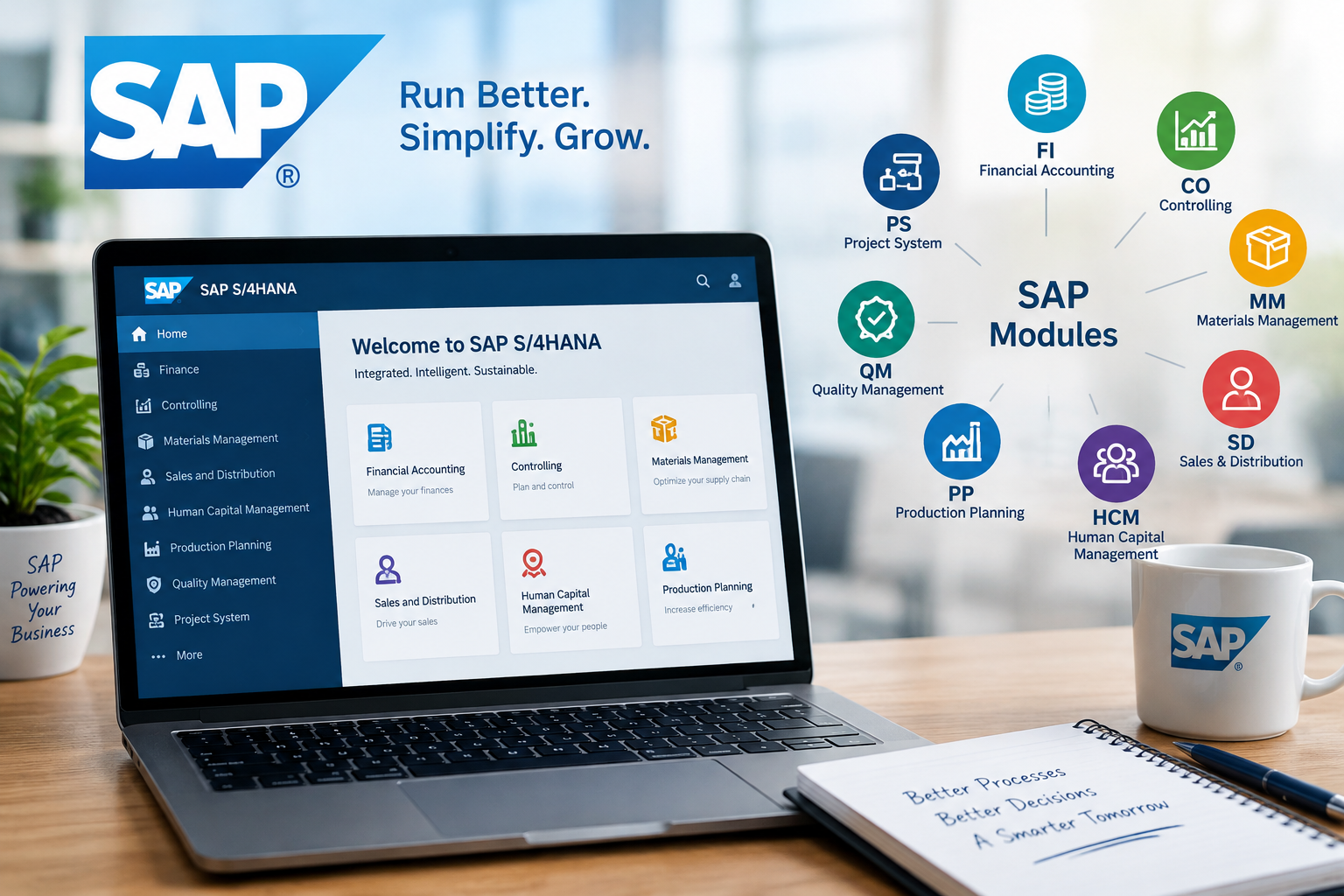
SAP has become an important business software platform used by organisations to manage areas such as finance, sales, procurement, human resources and operations. As businesses increasingly depend on integrated digital systems, learning SAP can help students and professionals develop skills relevant to modern workplaces.
For students in Trivandrum who are considering a career in business, finance, accounting or technology, SAP training can be a useful way to build practical knowledge alongside academic qualifications.
But before choosing a course, it is important to understand what SAP training involves, which skills you can develop and how to select a program that matches your career goals.
What Is SAP?
SAP stands for Systems, Applications and Products in Data Processing. SAP provides enterprise software that helps organisations manage different business processes through integrated systems.
Depending on the organisation and job role, SAP can be used for areas such as:
- Finance and accounting
- Sales and distribution
- Procurement
- Supply chain management
- Human resources
- Production planning
- Business analytics
Because different SAP modules focus on different business functions, students should understand their interests before selecting a particular training path.
Why Consider SAP Training in Trivandrum?
Trivandrum has a growing ecosystem of technology companies, businesses, professional training institutes and service organisations. Students can explore career-focused training options alongside their academic studies.
SAP training can help learners move beyond theoretical concepts by introducing them to business processes and enterprise software environments.
A structured SAP course in Trivandrum can be particularly relevant for students pursuing careers related to:
- Accounting and finance
- Business administration
- Commerce
- Information technology
- Management
- Supply chain and logistics
What Can Students Learn Through SAP Training?
The exact curriculum depends on the SAP module and training program. However, a practical course may introduce students to important concepts such as:
Business Process Understanding
SAP is closely connected to real business operations. Students can learn how different departments interact and how business transactions move through an organisation.
SAP Modules
SAP includes multiple modules designed for different business functions. Students should choose a module based on their educational background and career interests.
Practical Software Skills
Hands-on training can help learners become familiar with navigating SAP environments, understanding transactions and working with business-related processes.
Data and Reporting
Many SAP-related roles involve working with business information and reports. Understanding how data is recorded and used can be an important part of professional training.
Problem-Solving Skills
Working with business processes can help students develop structured approaches to identifying issues and understanding how different functions are connected.
Who Can Learn SAP?
SAP training isn’t limited to experienced professionals. Students, graduates and working professionals may consider SAP depending on their career objectives and educational background.
It can be relevant for learners from fields such as:
- B.Com
- BBA
- MBA
- Finance
- Accounting
- Commerce
- Computer applications
- Information technology
The appropriate course or module can vary depending on the learner’s previous education and intended career path.
How to Choose the Right SAP Course
Choosing an SAP course should involve more than simply looking at the course name. Consider the following factors before enrolling.
1. Identify Your Career Goal
First decide what type of work interests you. Someone interested in finance may have different training requirements from someone interested in technology, supply chain or sales.
2. Understand the Course Module
SAP has different modules and specialisations. Review the syllabus carefully and make sure it matches your career interests.
3. Look for Practical Training
Practical exposure can make it easier to understand how SAP is used in business environments. Check whether the course includes demonstrations, exercises or hands-on learning.
4. Check the Trainer’s Experience
Experienced trainers can provide context around business processes and explain how SAP concepts are applied in professional environments.
5. Review the Course Duration and Curriculum
Compare the duration, topics covered and learning format before making a decision. A well-structured syllabus should clearly explain what you will learn.
SAP Skills and Career Opportunities
SAP knowledge can be relevant to a range of business and technology roles. Depending on your qualification, specialisation and experience, potential career paths can include roles related to:
- SAP support
- Business process operations
- Finance and accounting
- Sales operations
- Procurement
- Supply chain
- Business analysis
- SAP consulting
Completing a training course does not guarantee employment. Career opportunities can depend on qualifications, practical skills, experience, communication abilities and the specific requirements of employers.
SAP Training Alongside Other Professional Skills
SAP can become more useful when combined with complementary skills. For example, students interested in finance and accounting may benefit from developing knowledge of accounting software, taxation and digital accounting alongside SAP.
Similarly, students interested in business roles can benefit from communication, Excel, data analysis and problem-solving skills.
Building a combination of technical and professional skills can help students prepare for different workplace requirements.
Is SAP Training Suitable for Freshers?
Freshers can consider SAP training as part of their professional development, particularly if they are interested in business software and enterprise processes.
However, choosing the right starting point is important. Beginners should look for training that explains fundamental concepts clearly rather than assuming extensive previous SAP experience.
Students should also consider how the course fits into their broader career plan and academic background.
Why Practical Learning Matters
Knowing the terminology associated with SAP is different from understanding how an enterprise system works in a business environment.
Practical learning can help students understand how transactions, departments, data and business processes are connected. Exercises and real-world examples can also make technical concepts easier to understand.
For this reason, students comparing SAP training in Trivandrum should examine the practical components of each program rather than focusing only on course duration or certification.
Start Building Your SAP Skills
SAP can be an interesting career option for students who want to develop skills related to enterprise software, business processes, finance, technology or operations. The key is to select training based on your educational background and long-term career goals.
If you are looking for career-focused training in Trivandrum, explore SAP Courses in Trivandrum to learn more about available professional training options and develop skills for the modern workplace.
With the right course, practical learning approach and complementary professional skills, students can take a more informed approach to building their career in the SAP and business technology space.

You may also like

Career-Focused Courses in Trivandrum for Students and Graduates

How to Choose the Right Finance Course Based on Your Career Goals